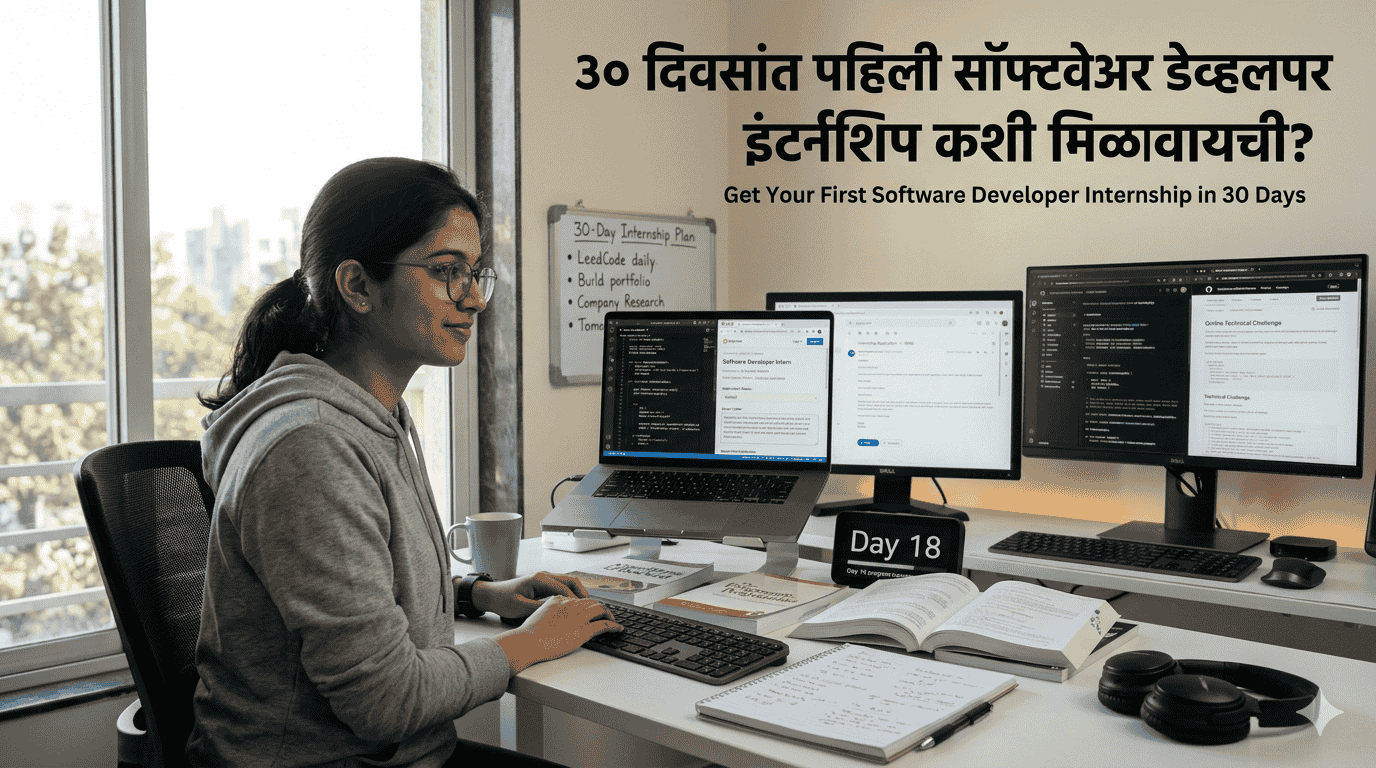
Getting your first software developer internship can feel challenging, but with the right strategy, it is achievable in just 30 days. Internships are crucial for building real-world experience, strengthening your resume, and opening doors to future job opportunities.
This guide provides a step-by-step approach to help computer science students prepare, apply, and secure their first internship efficiently.
Why Internships Are Important for CS Students
Internships provide more than just work experience. They help students:
- Understand real-world coding and software development practices
- Learn teamwork, communication, and problem-solving skills
- Build a professional network in the tech industry
- Gain exposure to tools and technologies used in the workplace
Securing an internship early can also increase the chances of full-time job offers after graduation.
Step 1: Identify Your Target Role
Before applying, define the type of internship you want. Focus on:
- Programming languages you are comfortable with
- Areas like web development, AI, mobile apps, or data science
- Companies that align with your interests and skills
Having a clear target helps you craft a focused resume and application.
Step 2: Build a Strong Resume and Portfolio
Your resume is the first impression recruiters see. Focus on:
- Highlighting technical skills and projects
- Listing relevant coursework or certifications
- Keeping it concise and professional
Additionally, create a portfolio with:
- Projects hosted on GitHub or personal websites
- Demonstrations of coding skills and problem-solving abilities
This will help recruiters see your practical knowledge.
Step 3: Improve Your Skills Quickly
Even if you have limited experience, focus on building skills that are highly valued:
- Data structures and algorithms (for coding interviews)
- Version control using Git and GitHub
- Frameworks or tools relevant to your target role
Allocate 1–2 hours daily for coding practice and mini projects.
Step 4: Prepare for Technical Interviews
Most tech internships require a technical interview. Prepare by:
- Solving coding problems on platforms like LeetCode, HackerRank, or Codeforces
- Practicing common interview questions in your preferred programming language
- Reviewing past projects and being ready to explain them
Mock interviews with peers or online platforms can also help boost confidence.
Step 5: Apply Strategically
Instead of sending hundreds of applications, focus on quality:
- Target companies that hire interns frequently
- Customize each application with a tailored cover letter
- Highlight your skills and projects relevant to the internship
Use platforms like LinkedIn, Internshala, and AngelList to find opportunities.
Step 6: Network Effectively
Networking can increase your chances of getting noticed:
- Connect with alumni, seniors, and professionals in the industry
- Join LinkedIn groups and online tech communities
- Attend webinars, workshops, or hackathons
Sometimes a referral from someone in the company can help you get the interview faster.
Step 7: Follow-Up and Stay Consistent
After applying, follow up with recruiters politely if you don’t hear back within a week.
Consistency is key:
- Apply daily to relevant internships
- Keep learning new skills
- Refine your applications based on feedback
Persistence often separates those who succeed from those who don’t.
Step 8: Prepare for the Internship Offer
Once selected:
- Understand the role and responsibilities
- Get familiar with the tools the company uses
- Be ready to start learning and contributing immediately
First impressions during an internship matter for both experience and future opportunities.
Step 9: Make the Most of Your Internship
During the internship:
- Take initiative and ask questions
- Document your work and projects
- Learn from mentors and team members
- Network internally
This approach will ensure you get both experience and recommendations for your future career.
Conclusion
Getting your first software developer internship in 30 days is achievable with a structured plan, consistent learning, and strategic applications. By following this step-by-step guide, you can secure an internship, gain practical experience, and start building your career in software development.
Start today, focus on skill-building, and stay consistent to land your first internship successfully.